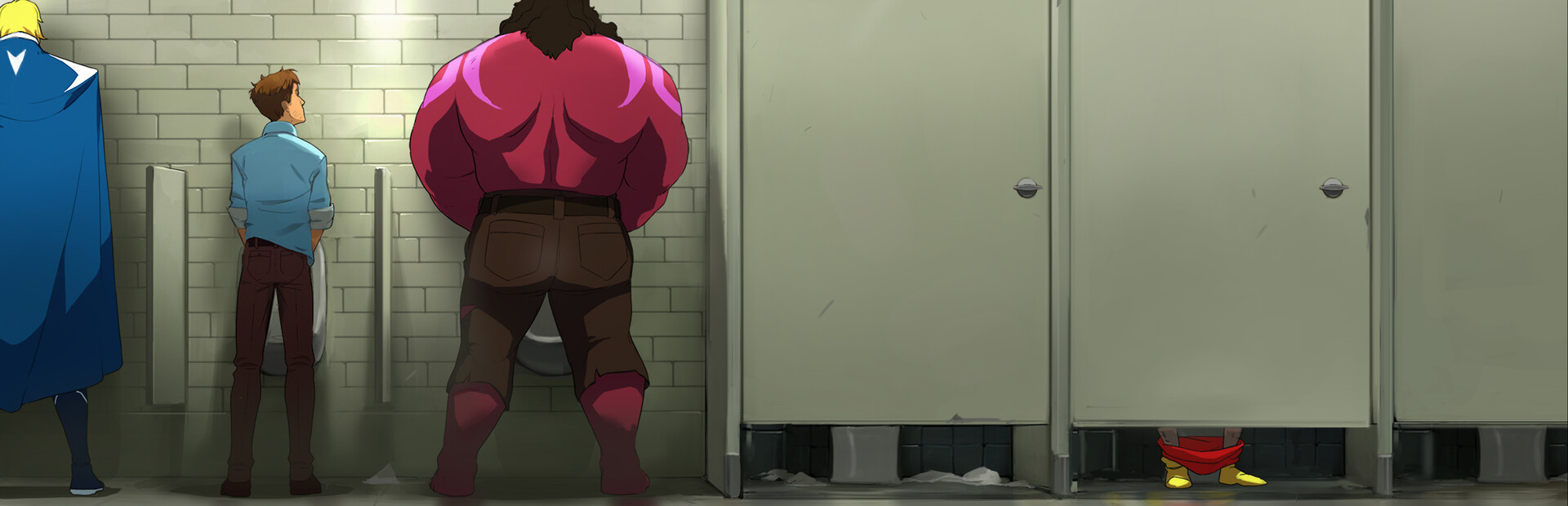
This Dispatch beginner guide starts with the one thing the game never quite spells out: you are not the hero. You play Robert Robertson, a washed-up former hero who now runs the desk at the Superhero Dispatch Network, sending a team of reformed supervillains out to handle emergencies across the city. Your job is triage, timing, and people management, and the game will punish you for treating it like a power fantasy.
Dispatch has had a huge year. AdHoc Studio's superhero workplace comedy passed 5 million players in its first year, added Commentary and Storyboard modes for Deluxe Edition owners, and heads to mobile on December 9, with the first four episodes free. If you are jumping in now, on any platform, these tips will save you a lot of failed calls.
Dispatch Beginner Guide: The Basics
Every shift follows the same loop. Calls come in, you pick a hero (or two), and you send them out. Each hero has strengths, and each call has a type. A hero who is great at lifting rubble might be useless at talking a jumper down. Read the call, read the hero, then commit. The timer on a call is real, and dithering costs you.
The heroes are the whole game. The Z-Team is a crew of ex-villains with real powers and real problems, and the writing treats them like coworkers, not collectibles. Learn what each one can actually do before you lean on them. A hero's power set is only half the picture. Their personality decides whether they follow your plan or improvise their way into a mess.
1. Match Powers to the Call, Not Just the Clock
The fastest hero is not always the right hero. A call about a hostage situation wants someone with crowd control or negotiation skills, not the person who punches hardest. Check the call details, match the power to the problem, and only then worry about travel time. Sending the wrong hero to a call you could have solved cleanly is the most common rookie mistake.
2. Rest Is a Resource, Not a Punishment
Heroes come back tired, injured, or rattled, and the game wants you to rotate them. Running the same two or three favorites into every call will leave you with a bench of exhausted heroes when a big incident hits. Spread the work around, even when it feels slower. A rested B-team beats a burned-out A-team.
3. Listen to the Banter
The chatter between calls is not filler. The Z-Team argues, bonds, and drops hints about how they work best, and the game hides real mechanical advice inside those conversations. If a hero keeps complaining about being paired with someone, believe them. If two heroes click, send them out together and watch the results.
4. Your Choices Stick Around
Dispatch is built on choices that echo across episodes. How you handle a hero's personal crisis in episode two can change what they are willing to do for you in episode six. There is no single right answer most of the time, but there are consequences, and the game remembers them. Play like your decisions matter, because they do.
5. Don't Skip the Downtime
Between the emergency calls, the game gives you quiet scenes at the office, and they are where the story actually lives. The desk sequences build the relationships that make the later episodes hit hard. If you rush through them to get back to the action, you will miss the reason the game works. Treat the slow scenes as the main event.
6. Fail a Call Gracefully
You will fail calls. It happens to everyone, and the game is built to absorb it. A failed call is not a game over, it is a story beat. What matters is how you respond: who you send next, how you handle the fallout with the team, and whether you learn from the mismatch. Panic-sending your best hero to every problem after one failure is how shifts spiral.
7. Upgrade Thoughtfully
When the game offers upgrades or new gear for the team, think about the gaps in your roster, not the flashiest option. If your team is weak on rescue calls, fix that before you buy another damage boost. A balanced roster covers more of the call board than a lopsided one, and the late episodes throw a wider mix of emergencies at you.
8. Keep an Eye on Morale
Heroes who feel ignored or mistreated stop performing, and the game is not subtle about it. Check in on the team, pay attention to who is struggling, and take the small dialogue options that show you are actually managing people. The Z-Team is a workplace, and workplaces run on trust.
9. Mobile Players: Know What Changes on December 9
Dispatch arrives on iOS and Android on December 9, rebuilt for touch controls and one-handed portrait play, and the first four episodes are free. The full game costs $19.99. If you start on mobile, the core loop is the same, but the interface is redesigned around tapping through calls quickly, so the pacing feels snappier. Everything in this guide applies, just with shorter sessions in mind.
10. Stick Around After the Credits
Finishing all eight episodes is not the end. Deluxe Edition owners already have Commentary Mode, with over 16 hours of cast and crew audio, and Storyboard Mode, which lets you play the whole game through its original animatics. AdHoc has also teased that Dispatch 2 is looking more likely after the first game's success, and the studio has said it wants to keep the episodic format. Your first shift is the start of a longer story, not a one-off.
Dispatch rewards patience and attention more than reflexes. Learn the roster, respect the clock, and treat the Z-Team like people instead of tools, and your first shift will go a lot smoother than Robert's first day did. AdHoc Studio laid out the anniversary update, the mobile release, and the new modes in its official anniversary post, and Game8 has a full breakdown of everything that arrived with it. If you like guides built around surviving a rough first day, our Toxic Commando beginner guide and DERELIKT beginner guide follow the same idea.