Analogue Super Nt Plus and Mega Sg Plus: 16-Bit Cartridges Return With Wireless Controllers
By AS Gaming EditorialOctober 28, 20265 min readNintendo Switch
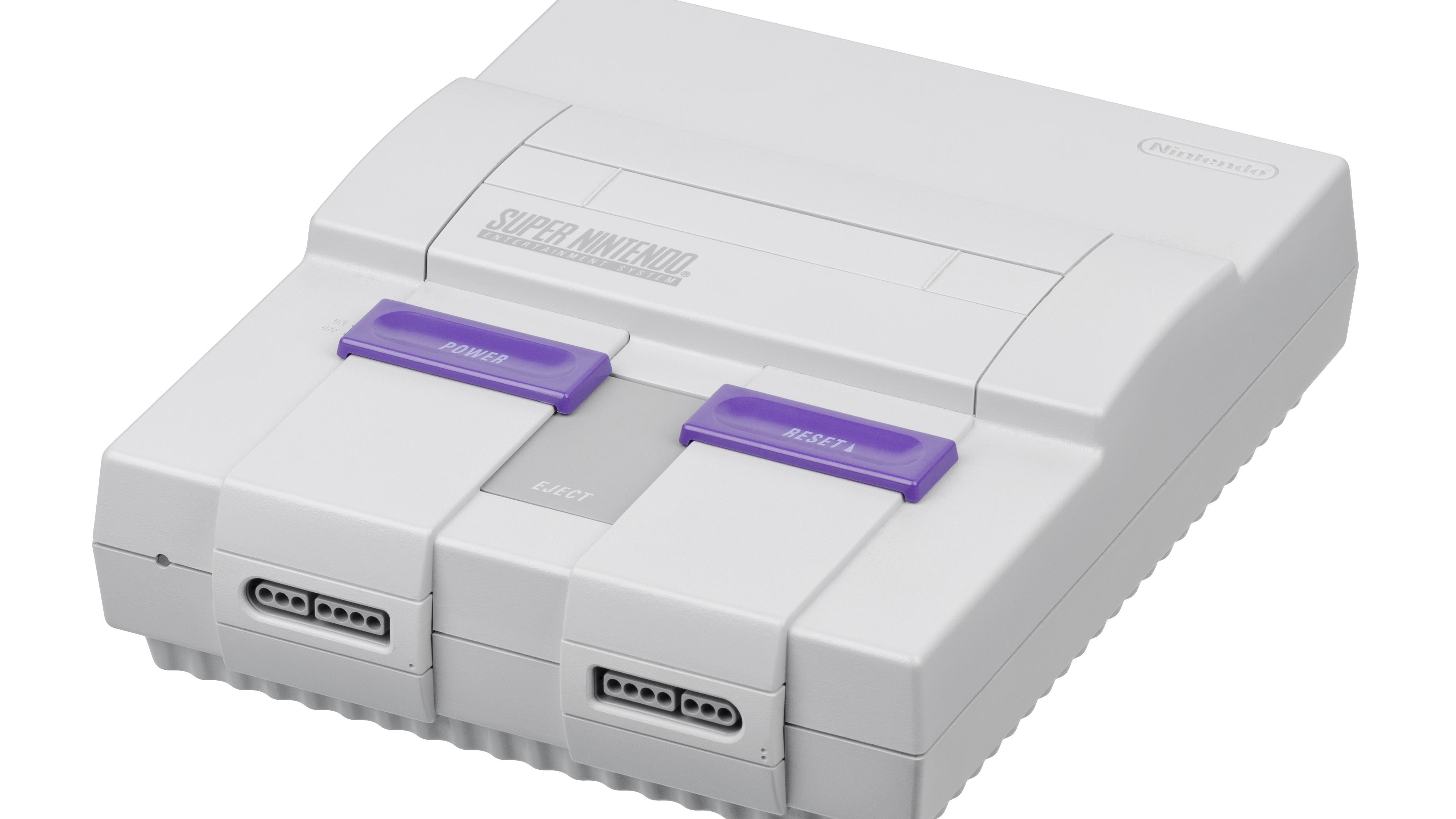
Source: Evan-Amos via Wikimedia Commons (public domain)
Analogue has brought back two of the most loved retro consoles ever made, and this time it fixed the annoyances. The Analogue Super Nt Plus and Mega Sg Plus are updated versions of the company's FPGA consoles for Super Nintendo and Sega Genesis cartridges, priced at $219.99 each, with pre-orders open since October 19 and shipping expected in December 2026. The hardware inside is familiar. Everything around it is finally modern.
If you missed the original Super Nt and Mega Sg, you know the pain. Both sold out, both vanished from retail, and both have lived on the second-hand market at prices that punish latecomers. The Plus models are a second chance, and they arrive with the two upgrades owners asked for most: wireless controllers without a dongle, and USB-C power.
Analogue Super Nt Plus: what you actually get
Both consoles run on an Altera Cyclone V FPGA, a chip programmed to recreate the original console hardware at the chip level rather than emulating it in software. That is the whole point of Analogue's approach, and it is why these consoles still matter in an era of cheap emulation boxes. You play your real cartridges, with the timing and behaviour of the original hardware, output over HDMI at up to 1080p.
The Super Nt Plus supports more than 2,200 Super Nintendo and Super Famicom titles. The Mega Sg Plus covers more than 2,180 cartridges across Genesis, Mega Drive, Master System, Game Gear (via adapter), Mark III, and SG-1000 libraries, and it stays compatible with the Sega CD attachment. Analogue claims 100 percent compatibility for both libraries, including PAL and NTSC releases. Output stays at 1080p, not 4K, and Analogue's argument is that 2D tile-based games do not gain hidden detail from 4K upscaling the way polygon-based games can. That is a defensible call for 16-bit hardware, even if it will disappoint buyers who wanted one box to match the Analogue 3D's sharper output.
Wireless controllers and USB-C finally arrive
The headline upgrade is built-in wireless controller support. Both consoles now offer Bluetooth and low-latency 2.4GHz connectivity, with a dedicated pairing button and support for up to two wireless controllers. Compatible 8BitDo pads, arcade sticks, and modern gamepads connect without an adapter, which was the original models' biggest daily friction. Wired controllers still work, and plugging one in automatically takes over from the assigned wireless pad. You can also power the console on or off from the player one controller, a small touch that makes these feel like modern hardware instead of museum pieces.
Power moves to USB-C, with a 30W USB-C supply and cable included in the box. A new USB-A port is also in, but read the fine print: it is only for Analogue DAC connectivity (for CRT setups) and controller charging, not for plugging in USB gamepads or transferring data. Cartridges can now be hot-swapped without fully powering down, as long as you quit the game through the system menu first. The case and packaging are redesigned too, and the Super Nt Plus comes in Classic, SF, and Black colour options.
Who should buy one, and who should skip it
Buy a Super Nt Plus if you own SNES cartridges and want to play them on a modern TV without fiddling with scalers, adapters, and aging original hardware. Buy a Mega Sg Plus if your Genesis collection is the one gathering dust, especially if you also have Master System or Game Gear carts. Both make sense as the centrepiece of a retro shelf, and they pair naturally with other modern retro gear. Our Switch 2 dock guide covers the other end of the living room, while the Retroid Pocket Duo is the portable answer to the same nostalgia.
Skip them if you do not own cartridges. Neither console includes games or controllers, and neither plays ROM files from an SD card as a substitute for a cart. Emulation on a PC or handheld is cheaper and more flexible if the cartridge collection is not the point. Also skip the 4K dream: if you want the sharpest possible output for 3D-era games, that is a different Analogue product, not this one.
The honest verdict is that the Plus models are refinements, not reinventions, and that is exactly right. Analogue kept the FPGA core that made the originals special, fixed the wireless and power annoyances, and priced both at $219.99. For collectors who missed out the first time, December shipping cannot come soon enough. For everyone else, the question is simple: do you have the cartridges? If yes, these are the easiest way to play them properly. Sources: Notebookcheck's launch coverage and Gizmodo's hands-on report.