Ghost of Yotei: Echoes of Sekigahara Review: A Short, Essential Return to Ezo
By AS Gaming EditorialOctober 25, 20265 min readPlayStation
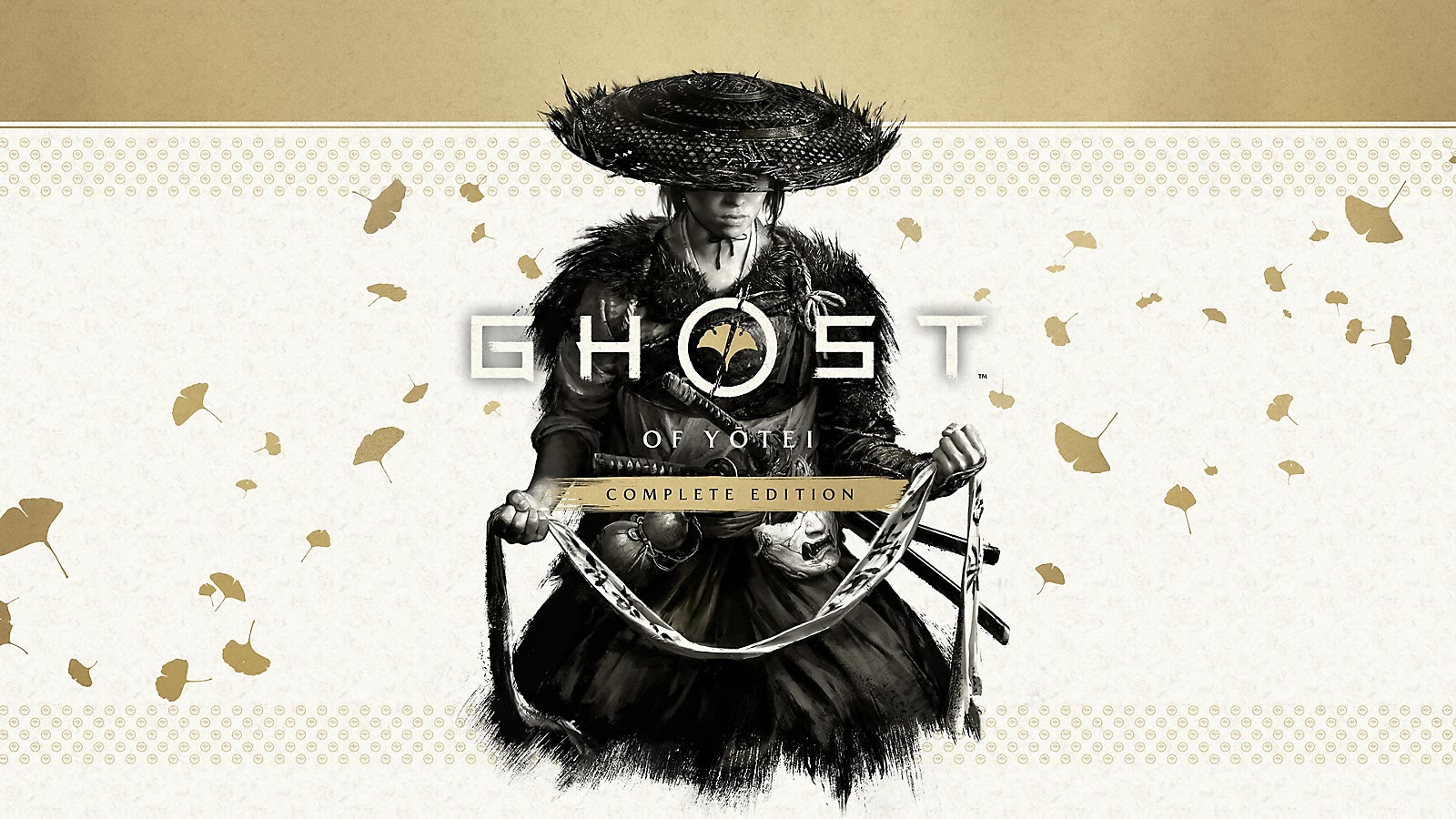
Source: Sucker Punch Productions / Sony Interactive Entertainment (official key art via PlayStation)
8.5
8.5/10 · Great
Strengths
A focused story that fills the biggest gap in Atsu's past with real emotional weight
A compact, dense new region with almost no wasted space
New weapons and a triple-arrow deadeye ability that refresh combat without breaking it
Weaknesses
Most Wanted starts slow and locks too much behind upgrades
Some character motivations stay murkier than the story needs
Its revelations are so important that the base game feels incomplete without it
How we score: this verdict is our editorial take, based on launch coverage, critical reception and community feedback.
Ghost of Yotei: Echoes of Sekigahara is the rare expansion that changes how you see the base game. Released October 1 as part of the Complete Edition (and as a $14.99 upgrade for existing owners), it sends Atsu after a bounty on Nagato the Handsome, a figure from her past, and uses that hunt to open up the part of her life the main game skipped: the years between the burning tree and Ezo. What follows is a compact, story-first chapter that lands among Sucker Punch's best narrative work, bundled with a roguelike mode that is good once it gets going and sluggish before that.
Echoes of Sekigahara Is About Consequences
The setup is simple and strong. Atsu killed the Snake in the prologue, and Echoes of Sekigahara deals with the fallout of that murder. The expansion weaves the consequences into Atsu's past, telling a story about rebuilding and about what revenge costs the person carrying it out. Nagato, a former love interest, gives the story its emotional center, and the writing finally lets Atsu be something other than a revenge machine: younger, softer, and still figuring out who she is.
That focus is the expansion's biggest strength. The base game told a revenge story with real force but left Atsu's past mostly blank. Echoes of Sekigahara fills that blank with a specific, human chapter, and it does it in around five to eight hours for the main thread, with side bounties and exploration adding more. It never feels padded. Every new area earns its place, and the new region is dense in the way the best Ghost maps are: you ride toward something interesting, not across empty ground.
Combat Gets Two Genuine Additions
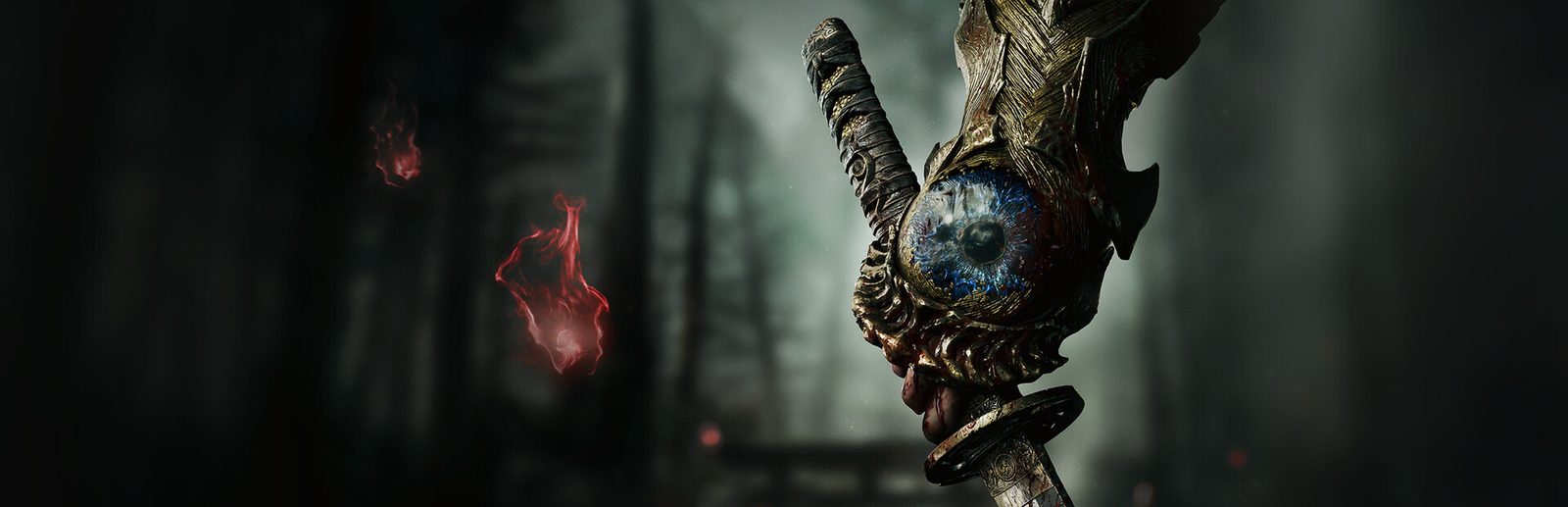
The expansion adds two mechanics that matter. Massive weapons arrive with their own skill tree category, hit hard enough to knock armor off enemies, and break after a few uses, which forces you to think about when to commit them. A deadeye-style ability lets Atsu fire three arrows at once, each auto-targeting a different enemy, and it is as satisfying as it sounds.
Neither addition rewrites the combat system, and that is fine. Ghost of Yotei's swordplay was already the series' best, reaction-heavy and brutal, and the expansion trusts it. The new enemy type that fires arrows deep into Atsu's arm, which must be removed before she can heal or use spirit abilities, adds a nasty wrinkle to fights. The lock-on and camera still have their off moments, and a few unblockable attacks still arrive faster than feels fair, but those are base-game quirks, not new problems.
Most Wanted Is Good, Eventually
Most Wanted, the roguelike survival mode bundled alongside the expansion, is the package's weaker half at first and a genuinely fun one later. You fight through bounty-driven runs, unlock weapons, cosmetics, and even new playable characters (Atsu, Oyuki, Nagato, and Jin Sakai), and cosmetics carry over to the main game and the expansion. The problem is the ramp: early runs feel thin, and too much of what makes the mode sing sits behind upgrades that take a while to earn. Once you push past that hump, the mode clicks. It asks a clean question: how well do you actually understand this combat system? The answer, after a few dozen runs, is usually better than you thought.
The structural complaint is harder to dismiss. The story revelations here are significant enough that the main game feels weaker without them, and that is a strange thing to say about a paid expansion. Players who bought the base game at launch and skipped this chapter are getting an incomplete version of Atsu's arc. Sucker Punch has effectively made Echoes of Sekigahara essential rather than optional, and charging $14.99 for essential story is a fair criticism even when the story itself is excellent.
The Verdict on Echoes of Sekigahara
Weighing it all, Echoes of Sekigahara earns its score on the strength of its storytelling and its restraint. It does not bloat the map, it does not reinvent systems that worked, and it gives Atsu the past she was missing. Most Wanted is a worthwhile bonus with a slow start, not a reason to buy on its own. For newcomers, the $69.99 Complete Edition is now the obvious way to play Ghost of Yotei. For existing owners, the $14.99 upgrade is easy to recommend, with one honest caveat: you will wish this story had been in the game from the start.