SteelSeries Sensei Pro and Rival Pro: UWB Wireless Arrives
SteelSeries has a new answer to the oldest question in competitive mice: how do you make 8,000 Hz polling actually reliable? The SteelSeries Sensei Pro and Rival Pro, which hit retail on October 13, 2026, attack the problem at the wireless layer instead of the sensor layer. They use Ultra-Wideband (UWB) wireless, a TrueMove 42K sensor, optical switches, and a hot-swappable battery system SteelSeries calls the Infinite Power System. Both cost $179.99, with Mini versions at the same price.
That price puts them squarely against the best esports mice on the market, including the Logitech G PRO X Superlight 2 and Razer's Viper line. The difference is not the headline spec. It is the pipe carrying it.
Almost every wireless gaming mouse runs on 2.4 GHz, and that band is a traffic jam. Headsets, keyboards, phones, routers, and every other wireless device in your room fight for the same spectrum, which is why 8K polling often looks great on a spec sheet and less consistent in a real match. UWB sidesteps that congestion by operating in a much wider, faster tier of spectrum, with roughly 20 times the bandwidth of a typical 2.4 GHz link.
SteelSeries pairs that link with a true 8,000 Hz polling rate, meaning up to 8,000 reports per second for faster response, more accurate tracking, and smoother cursor movement. The argument is straightforward: polling rate only matters if the signal behind it is clean, and UWB is SteelSeries' bet that the wireless connection, not the sensor, has been the weak link all along.
The other piece is power. 8K polling is hungry, and SteelSeries answers with the Infinite Power System: hot-swappable batteries that let you swap cells mid-session instead of plugging in mid-match. A compact Wireless Travel Dongle is sold separately for $24.99 for players who want a smaller receiver on the road.
Two Shapes, One Philosophy
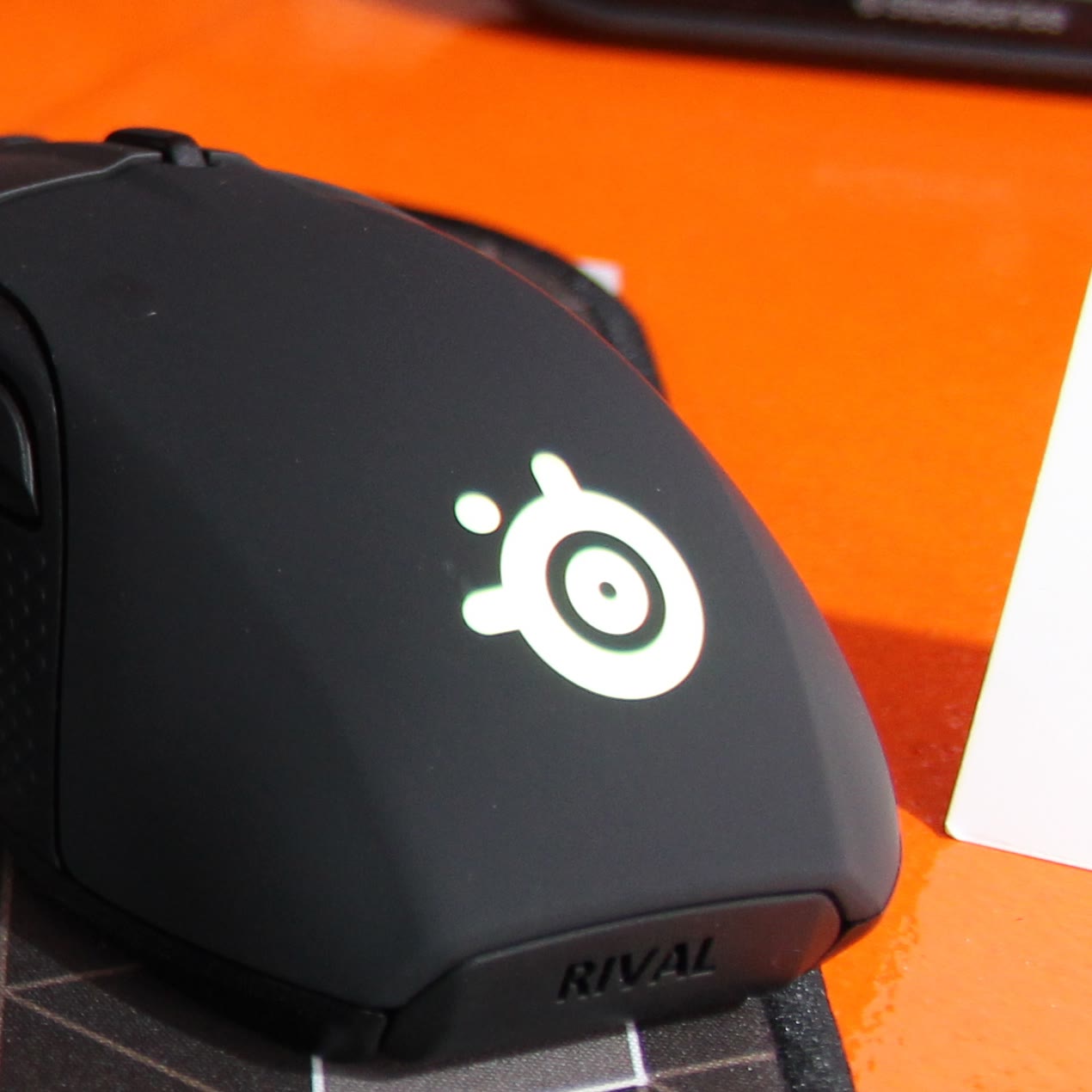
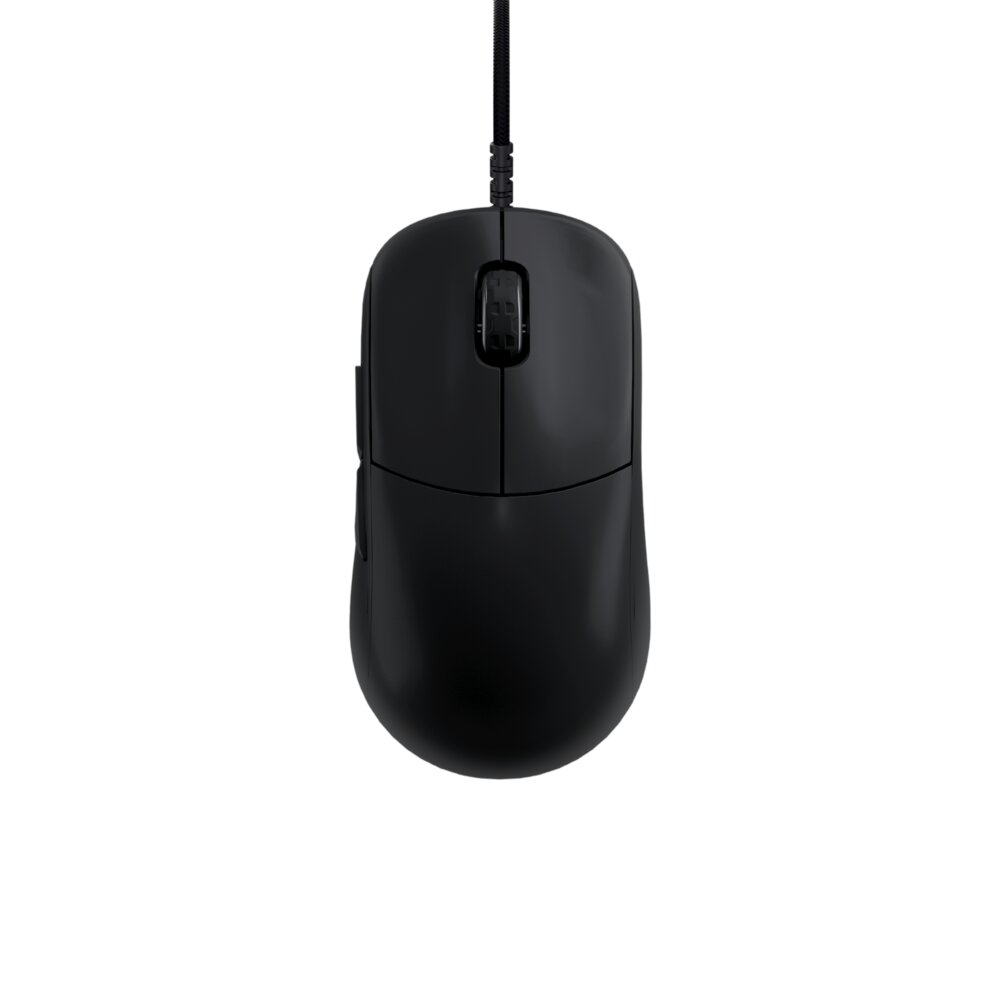
Rather than inventing new shells, SteelSeries wrapped the new technology around two shapes with long histories. The Sensei is the ambidextrous classic, and the Rival is the right-handed ergonomic workhorse. Both come in standard and Mini sizes, in black and white, and both carry the same internals: TrueMove 42K sensor, optical switches for rapid actuation, and full SteelSeries GG software support.
That choice is deliberate, and it is smart. Competitive players are famously loyal to shapes they already trust, and asking them to relearn muscle memory for a new shell is a much harder sell than asking them to upgrade the wireless inside a shell they already love. If your hand already knows a Sensei or a Rival, the Pro versions ask nothing new of it.
SteelSeries Sensei Pro vs the 8K Competition
The honest comparison starts with what has not changed. The Logitech G PRO X Superlight 2 remains the safe default for most competitive players: proven shape, huge community, and a price that has softened since launch. Razer's Viper V3 Pro is lighter and remains the fingertip and claw grip favorite. The SteelSeries pair competes on a different axis: connection reliability under real-world wireless congestion, plus the hot-swap battery system for players who hate charging cables.
Who should actually buy one? If you play in a dense wireless environment, a dorm, a LAN center, or a desk buried in wireless gear, UWB is a genuine reason to look at these first. If you already main a Sensei or Rival shape, this is the most painless upgrade SteelSeries has offered in years. If you are happy with your current mouse and play on a clean desk, there is no urgency here: your current 8K mouse is not suddenly slow, and $179.99 is real money for a wireless upgrade you may not feel.
One caveat worth stating plainly: UWB is new to gaming mice, and early adopters are buying into a first-generation implementation. SteelSeries' claims about bandwidth and consistency are plausible engineering, but the real test is months of tournament and ranked play, not launch-week reviews. Watch how the Pro Series holds up in pro hands before treating UWB as the new default.