AMD FSR 4.1 Arrives on RX 6000 GPUs, Ryzen Laptops, Handhelds, and Xbox Series X|S
By AS Gaming EditorialOctober 22, 20265 min readPCXbox
Source: Vitaly Zdanevich via Wikimedia Commons (CC BY-SA 4.0)
AMD is doing something GPU makers almost never do: taking its newest upscaling tech backward instead of using it to sell you a new card. On October 20, AMD's Jack Huynh, the senior vice president and general manager of the Computing and Graphics Group, announced that FSR Upscaling 4.1 is expanding to Radeon RX 6000 series graphics cards, a stack of Ryzen AI processors, gaming handhelds, and Xbox Series X|S consoles. The full announcement is on AMD's newsroom.
AMD FSR 4.1 on RX 6000: your 2020 GPU gets the 2026 upscaler
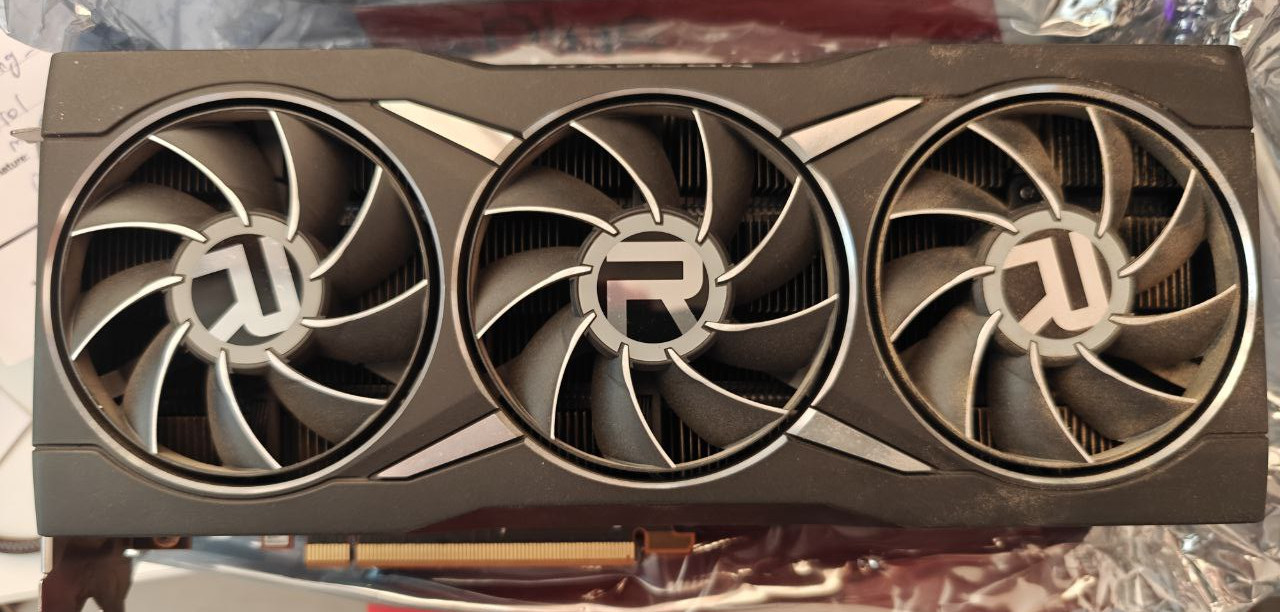
The headline is the RX 6000 support. Huynh says FSR 4.1 has been "tuned and optimized from the 6900 series down to the 6400 class," which means cards that launched back in 2020 can now run AMD's latest machine-learning upscaler. The RX 6800 XT is specifically called out for improved clarity and 4K performance.
The technical trick is worth understanding. FSR 4's ML model was built around the FP8 support in RDNA 4 (RX 9000) silicon. For RDNA 2 cards like the RX 6000 series, which lack dedicated AI hardware, AMD adapted the INT8 version of the model it built for RX 7000 cards so it runs on the older shader cores. It is a real engineering lift, not a marketing rebrand, and it shows in the delivery: the support ships through the Adrenalin Edition 26.10.1 driver, released the same day as the announcement.
For context on the timeline: FSR 4 launched exclusively on RX 9000 cards in 2025, FSR 4.1 reached RX 7000 cards in July 2026, and now the rollout reaches back another generation. Games that integrated FSR 3.1 can also get automatic upscaling updates through the driver without title-specific patches, which is the kind of quiet win that actually matters.
Laptops, handhelds, and APUs get FSR 4.1 for the first time
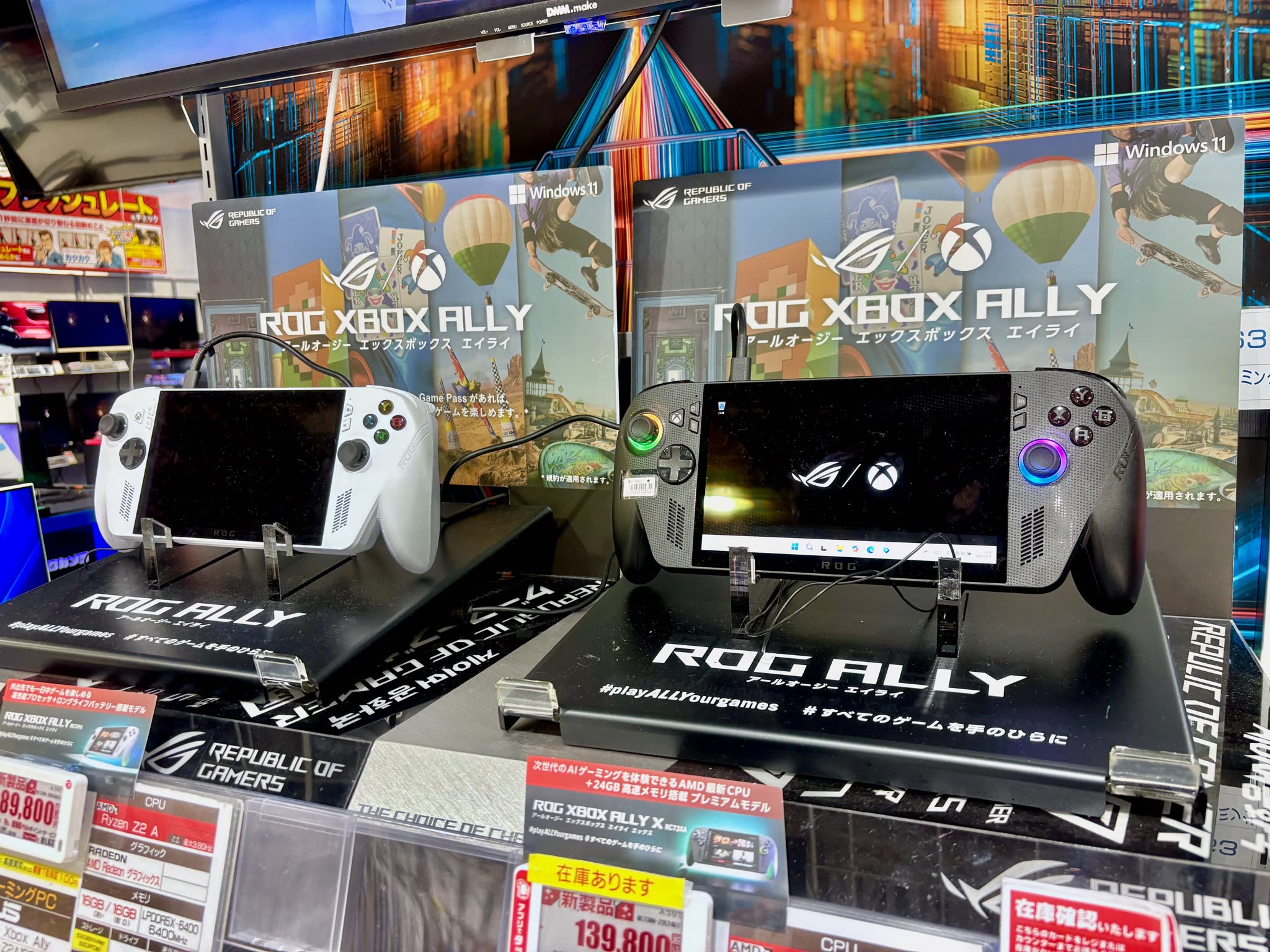
This is also the first time FSR 4.1 is coming to APUs. The coverage spans Ryzen AI Max (Gorgon Halo and Strix Halo) processors for mini desktops and mobile workstations, Ryzen AI 9 laptop chips, and the handheld silicon: Ryzen AI Z2 Extreme, Ryzen Z2 Extreme, and Ryzen Z2 A processors. ASUS has already confirmed FSR 4.1 is coming to its ROG Xbox Ally handhelds, which is a big deal for that device's 1080p clarity.
For the smaller chips, AMD built a smaller machine-learning model, reportedly less than half the size of the original M8 model, and says it has been tested across hundreds of laptop configurations and handheld devices. Handheld drivers come from device makers rather than AMD's Adrenalin software, so expect the rollout there to be staggered by manufacturer.
AMD FSR 4.1 on Xbox Series X|S: coming soon
On the console side, Xbox CTO Scott Van Vliet appeared in AMD's announcement video to confirm FSR 4.1 is coming to Xbox Series X|S, optimized for the ROG Xbox Ally handhelds and the Series consoles. No release date was given: console support is described only as "coming soon." Van Vliet also teased the continued AMD partnership on Project Helix, the next-gen Xbox hardware, which will reportedly leverage a future "FSR Diamond" tech.
This matters most for the Series S. That console's GPU has always been the bottleneck of the generation, and a quality ML upscaler could meaningfully extend its life. If you have been following our coverage of the ROG Xbox Ally X20, this is the software story that makes that hardware more interesting.
The fine print: driver 26.10.1 known issues
A driver spanning this many device families will have rough edges, and AMD's own release notes flag a few. There are intermittent hangs when playing Death Stranding 2: On the Beach with FSR enabled on RX 9000 cards, plus intermittent crashes or hangs when switching applications or toggling overlays while FSR frame generation runs. A separate known issue describes crashes or driver timeouts in Cyberpunk 2077 when FSR upscaling, AMD Anti-Lag, and in-game frame generation are all active together on some RX 9000 cards.
None of that is unusual for a release this broad, but if you are on an RX 9000 card and play those games, maybe hold the driver update until the hotfix.
Why AMD is doing this now
The strategic read is straightforward. Nvidia has effectively skipped 2026 for new gaming GPUs, with reports pointing to memory allocation going to data center parts instead, and DLSS 5 launched in September as its big software play. AMD cannot win a silicon race that is not being run, so it is winning the software race instead: FSR Redstone is now in more than 400 games on RX 9000 cards, FSR Frame Generation has more consistent frame pacing, Ray Regeneration is reaching more titles, and Vulkan support is coming soon.
If you are building around this news, our budget 1440p PC build guide is still the best starting point for October 2026, and it is worth remembering that RTX 5090 prices are absurd right now, which makes AMD's free performance boost for older cards look even better.