Xbox Project Helix Console Plays Your PC Games, But Xbox Insists It Is Not a PC
By AS Gaming EditorialNovember 17, 20265 min readXboxPC
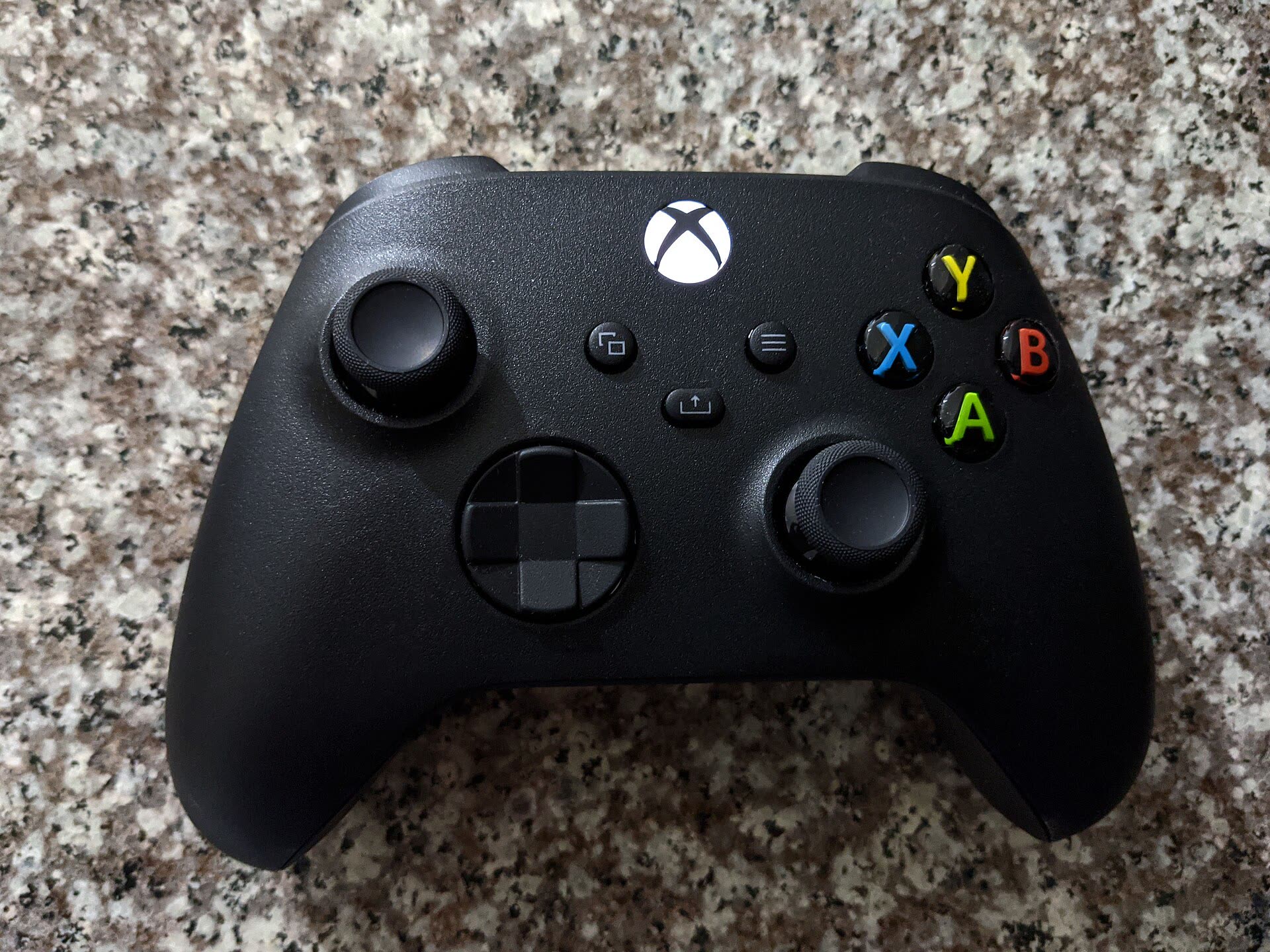
Source: Kyu3a, Wikimedia Commons (CC BY-SA 4.0)
Xbox has finally said the quiet part out loud about its next console. The Xbox Project Helix console, Microsoft's next-generation machine first teased at GDC in March, is designed to play games from your PC library alongside your Xbox games. Jason Ronald, Xbox's vice president of next generation, put it plainly in the company's new 25th anniversary magazine: Helix is 'a console that is also capable of playing games from your PC.' Then came the line that sets the terms of the debate: 'It is not a PC that can also play console games.'
That distinction is the whole story. Microsoft confirmed at GDC that Helix would play PC games, and plenty of people read that as Xbox building a PC with a controller-friendly shell. Ronald's interview, published in the free Xbox 25th Anniversary Magazine on November 15, pushes back on that reading. The magazine, a 116-page celebration of 25 years of Xbox put together by the Xbox Wire team, gives Helix a feature built around Ronald's interview, and the message is consistent: pick-up-and-play first, PC flexibility second.
Xbox Project Helix Console: What Jason Ronald Actually Said
Ronald called Helix 'the ultimate gaming machine' and said the goal is to remove 'the arbitrary constraints between console and PC games.' In practice that means one library instead of two. Players should be able to bring 'four generations' of Xbox games and progress with them and have them available instantly, extending the backward compatibility program Xbox started in 2015. That covers the original Xbox, Xbox 360, Xbox One and Xbox Series X|S, and it sits next to PC games in the same interface. The push to bring older games forward is already visible today, with Xbox bringing 21 original Xbox games to PC as its compatibility library keeps growing.
The interview also tackles the part of PC gaming nobody misses. Ronald said he does not want to worry about 'updating drivers' or configuring settings before he can play, and Helix is built around that instinct: games should be easy, intuitive and instant to access. But the console-first pitch comes with a carve-out for enthusiasts. 'If you're a hardcore gamer or a power user who wants to have that deeper level of customizability across settings and performance options, you can absolutely go do it,' Ronald said. So the default is console simple, with PC-style settings available to anyone who goes looking for them.
Neural Rendering Instead of a Spec Race
The most technical detail in the interview is also the most revealing about how Microsoft plans to keep Helix affordable. Ronald pointed to neural rendering, which he described as 'an entirely new way to generate a frame without requiring more computational horsepower, additional memory, and things like that.' In other words, the plan is to get more image quality out of the silicon Helix already has rather than chasing raw power.
That matters because of the other admission in the magazine feature: the component crisis is shaping how the next Xbox is built. Prices for memory and other parts have climbed through 2026, and Ronald acknowledged the pressure is changing the design. Neural rendering fits that picture. If a smarter frame generator can deliver the visual jump, Microsoft can hold the line on specs and, hopefully, on price. No price was announced, and the cost question has followed Helix since March.
The hardware basics remain what Microsoft shared at GDC: Helix runs on a custom AMD system-on-chip co-designed for the next generation of DirectX and FSR. The magazine adds no new spec sheet, and Ronald did not say which PC storefronts will work on the console. Steam access looks likely based on earlier reporting, but Epic Games Store access remains a rumor, and neither is confirmed in the interview.
The ROG Xbox Ally Connection
Ronald also gave the clearest hint yet about where Helix's interface comes from. He called the ROG Xbox Ally, the handheld Microsoft built with ASUS, 'a precursor to what we're doing with Helix,' because it taught Xbox how to show PC and console games from multiple storefronts in one unified library. The lessons from that handheld, and from Xbox mode on Windows, feed directly into the Helix interface.
That link also explains the split in the Helix family. Our earlier report on the Helix handheld chip covered the portable side, a custom AMD chip with 24 RDNA 5 compute units. The console Ronald describes here is the other half: a living-room machine with the same philosophy, one library, no driver chores, PC games welcome, but console habits first.
What Is Still Missing: Price, Date, Specs
For all the detail, the magazine answers none of the three questions buyers actually ask. There is no price, no release date and no full spec sheet. Development kits are due to reach studios in 2027, according to reports, which puts a consumer launch further out. Microsoft has said nothing official about timing.
What the interview does settle is positioning. Xbox is not building a PC that happens to play Xbox games. It is building a console that happens to play PC games, with your library and saves carried across, and with the fiddly parts hidden unless you ask for them. If that sounds like a small difference, it is the difference Microsoft wants you to notice. The next Xbox will be judged on whether the console-first promise survives contact with a PC library, and the magazine is the first time Xbox has spelled out how it plans to keep that promise.