ASUS ROG Swift OLED PG259QWS Ace: The 720Hz Monitor Built for the PGL Major
By AS Gaming EditorialNovember 26, 20265 min readPC
Source: Evan0512, CC BY-SA 4.0 (Wikimedia Commons)
The ASUS ROG Swift OLED PG259QWS Ace is the first monitor to run 720Hz at full 1080p on an OLED panel, and it is the screen the pros will play the PGL Major on. At $1,099, it is not for everyone. It might be for exactly one kind of player, and if you are that player, nothing else on the market does what this does.
ASUS ROG Swift OLED 720Hz: The Specs That Matter
The headline number is 720Hz at a native 1920x1080 resolution, on a 24.5-inch Tandem WOLED panel from LG Display. That combination is the whole story. Earlier OLED monitors could hit 720Hz only by dropping to 1280x720, which traded away the resolution to get the speed. The PG259QWS Ace does not make that trade. It runs 720 complete refreshes per second at full 1080p, with a 0.02ms grey-to-grey response time and a glossy TrueBlack finish that makes the contrast look absurd next to a TN panel.
Feeding that signal takes bandwidth, which is why the Swift uses DisplayPort 2.1 in UHBR20 mode. It is the fastest DisplayPort connection available, and it is what makes the headline spec real rather than theoretical. ASUS also built in a Position Sensor, a small addition that shows the monitor's height, tilt angle, and viewing distance on screen, which is the kind of thing tournament players actually use when they sit down at an unfamiliar desk.
The cheaper sibling is the ROG Strix OLED XG259QWPG Ace at $699. It uses the same 24.5-inch Tandem WOLED panel family but tops out at 540Hz and connects over DisplayPort 1.4 with DSC. That is still faster than almost every monitor most people have ever owned, and the $400 gap between the two models is the real decision most buyers will face.
The PGL Major Connection
These monitors are not just fast on paper. The PG259QWS Ace is the official monitor of the PGL CS2 Major Singapore 2026, which runs from November 24 to December 13, and that makes this the first Counter-Strike Major ever played on OLED displays. For decades, TN panels were the tournament standard because they were the only panels fast enough. OLED has now closed that gap, and the Major is the proof.
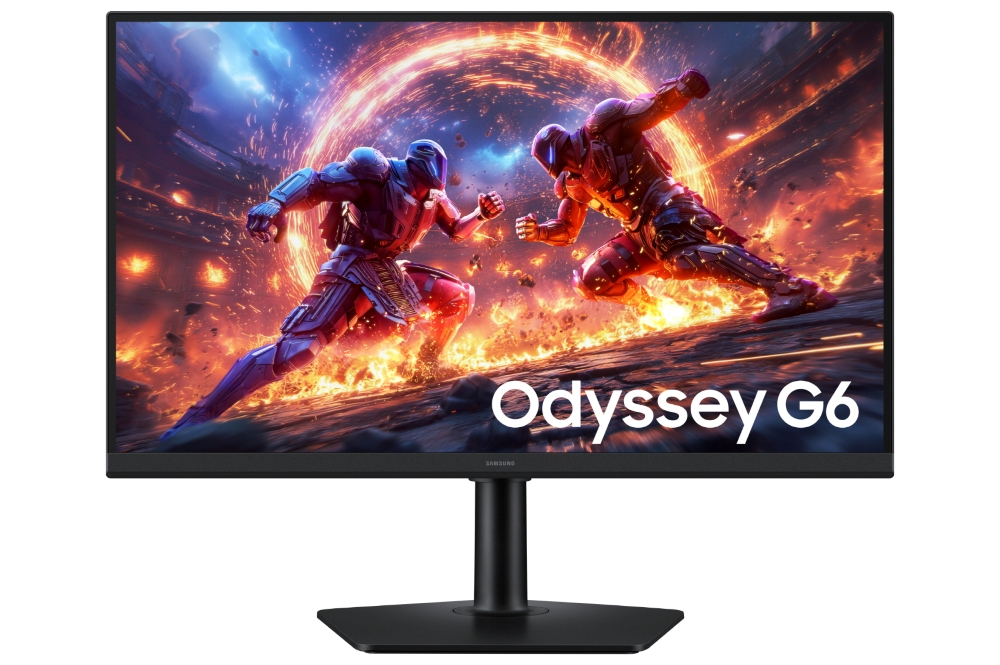
That matters for more than bragging rights. Tournament hardware sets the standard that competitive players buy into, and a Major played entirely on OLED is a signal that the trade-off between speed and image quality is over. Our Samsung Odyssey G6 coverage shows the same race from the other direction, with a 1,100Hz panel that gives up resolution to get there. ASUS took the opposite bet: keep 1080p, push the refresh rate, and make the panel itself the upgrade.
Pricing, Launch Dates, and the Rest of the Lineup
ASUS announced availability of both monitors on October 28, 2026, with US pricing at $1,099 for the Swift and $699 for the Strix. The Strix began shipping on November 25. In Japan, both models launch on November 27, priced at 212,220 yen for the Swift and 134,820 yen for the Strix, with preorders opening November 20 and a three-year warranty that covers burn-in. European pricing sits at 1,149 euros and 729 euros respectively.
The two launch models are only half the lineup. ASUS is also preparing two QD-OLED versions using Samsung Display panels with a BlackShield anti-glare film: the ROG Strix OLED XG259QDPG Ace at 560Hz and the ROG Strix OLED XG259QDNS Ace at 360Hz. Pricing and release dates for those two have not been announced, and all four models share the same 24.5-inch, 1920x1080 form factor.
The full announcement and specifications are covered in detail by KitGuru and TechTimes, which both confirm the pricing, the panel details, and the PGL Major partnership.
Who Should Actually Buy One
Be honest about what 720Hz needs. To see the difference, your PC has to push 720 frames per second, and at 1080p in Counter-Strike 2 or Valorant, a strong modern GPU can get there. In most other games it cannot, and in those games this monitor behaves like a very good 540Hz or 360Hz OLED, which is still excellent but not $1,099 excellent.
The Swift is for competitive players who already play at a high level, already run a PC that can feed it, and already know that 24.5 inches at 1080p is the size they want. That is a small audience, and ASUS knows it. The Strix at $699 is the model for everyone else who wants the panel and the speed without paying for the last 180Hz. And if you play single-player games more than competitive shooters, a larger 1440p OLED will make you happier for less money. Our ASUS ROG Strix XG27AQNGV coverage is a good place to start if that sounds more like you.
What the PG259QWS Ace really is, though, is a milestone. The fastest panel in esports is now an OLED, the Major is being played on it, and the old argument that competitive players have to accept washed-out TN panels is finished. The price will come down. The panel will get bigger. But this is the monitor that proved the point, and for the players chasing every millisecond, that is worth paying for.