PlayStation 6 Is on Schedule, Sony Says, as PS5 Sales Reach 97.9 Million
By AS Gaming EditorialNovember 06, 20264 min readPlayStation
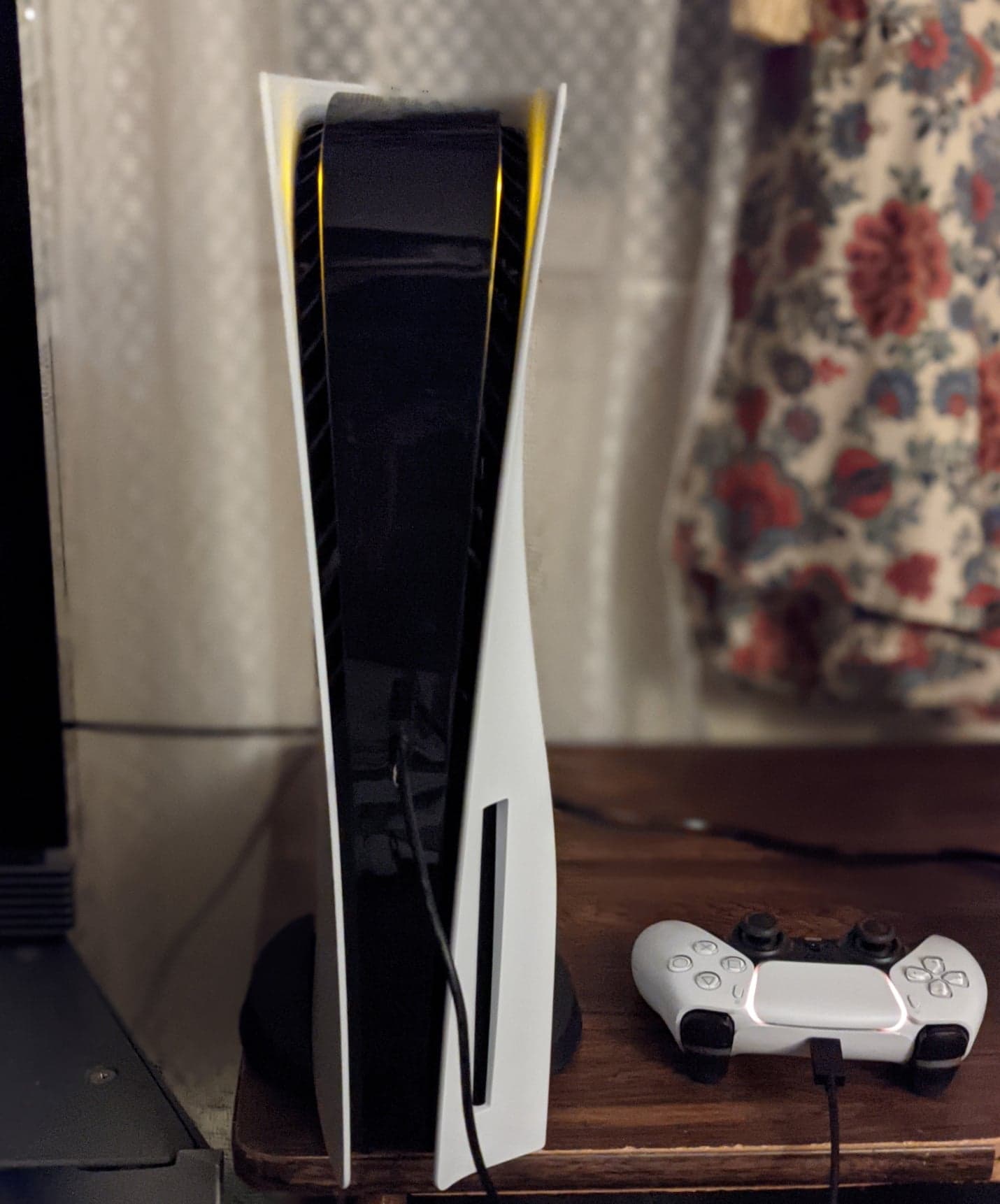
Source: Osh33m, Wikimedia Commons (CC BY-SA 4.0)
Sony used its second-quarter earnings call on November 5 to say something PlayStation fans have waited years to hear: work on its next console is on track. Chief financial officer Lin Tao told investors that development of the next-generation PlayStation platform is "progressing as scheduled", and that Sony will step up investment in the new hardware from the next fiscal year, which begins in April 2027.
The update arrived alongside a strong quarter for the current machine. Sony shipped 2.6 million PlayStation 5 consoles between July and September 2026, bringing lifetime shipments to 97.9 million. Game sales rose 9 percent in the quarter and operating profit jumped 89 percent, according to reports of the results. The PS5 is now closing in on 100 million units shipped, a milestone only a handful of consoles have ever reached.
PlayStation 6 on Schedule: What Sony Actually Said
The exact quote matters, because Sony said less than the headlines suggest. Tao described the next platform as "progressing as scheduled" and said the company intends to make "solid progress" on it during the next fiscal year. Sony did not confirm the name PlayStation 6, did not give a launch date, and did not share a single specification. The company has consistently called the machine its next-generation platform, and that is all the official record says.
That restraint is deliberate. Sony chief executive Hiroki Totoki said earlier this year that the company had not set a launch date for the next console. Analysts have pointed to a holiday 2028 window, with some suggesting late 2027 remains possible, but those are analyst reads, not Sony guidance. What changed this week is narrower and still meaningful: Sony is now willing to say, on the record, that the schedule it has is holding.
The timing of the money tells its own story. Sony said investment in the new platform will ramp up from the fiscal year starting in April 2027, and that some development costs originally expected this fiscal year will instead land next year. In plain terms, the heavy spending has not started yet. A console whose big bills begin in April 2027 is not a console launching a few months later.
PS5 Closes In on 100 Million
For the PS5 itself, the numbers keep stacking up. At 97.9 million shipped, it sits within touching distance of 100 million, and it got there while Sony was still shipping PS5 firmware updates and rolling out new hardware variants like the transparent Prism collection DualSense. The install base is the reason developers keep targeting the machine first, and it is the reason Sony can afford to take its time on what comes next.
The broader business is helping too. Strong game sales and a profitable quarter give Sony room to fund the next platform without rushing it. That is the unglamorous side of console transitions: a healthy current generation buys a careful next one.
What This Means for Players
Do not expect a reveal any time soon. Sony talking about a schedule is not Sony showing a console, and the company has a long habit of saying almost nothing until it is ready to say everything. The realistic reading is that 2027 will bring hiring, developer kits, and quiet preparation, while the public conversation stays focused on the PS5 and its games.
The other thing to watch is cost. Memory shortages and rising component prices have been a running theme in hardware reporting all year, and Sony acknowledged the pressure in the same briefing. If high-bandwidth memory stays expensive, the next PlayStation could launch at a higher price than the PS5 did. Sony has not said so directly, but it has not denied it either, and the economics point that way.
For now, the takeaway is simple. The next PlayStation exists, it is on whatever schedule Sony set for it, and the money to build it starts flowing in April 2027. The PS5, meanwhile, is about to pass 100 million shipped. That is a console generation ending on its own terms, not being hurried out the door. Read the full earnings reporting at Mezha and Tech Insider, both citing Video Games Chronicle's coverage of the call.